
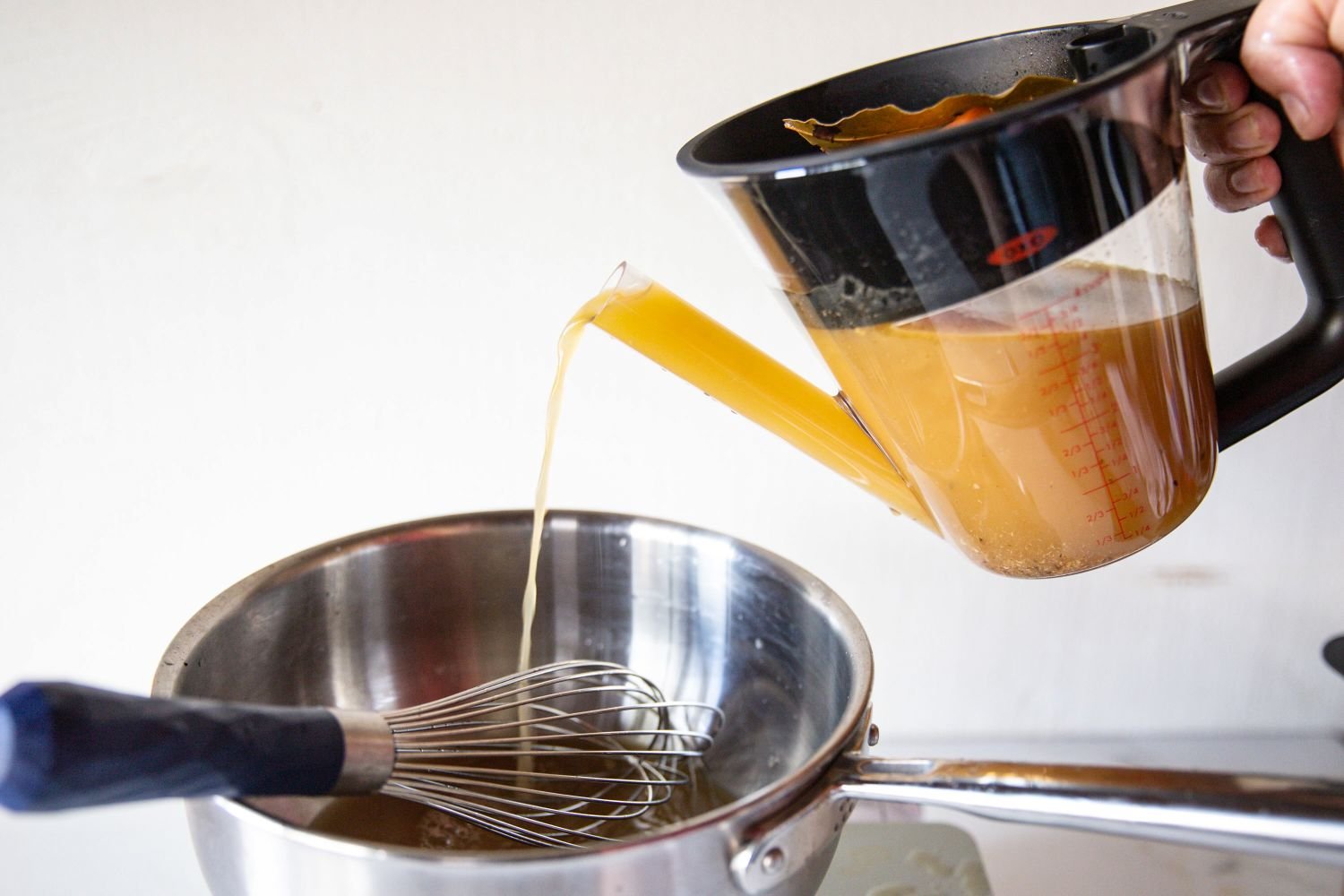
Picture this: It’s Thanksgiving morning, and I’m elbow-deep in turkey drippings, trying to whip up the perfect gravy while my family hovers around the kitchen like hungry wolves. Last year, I skimmed fat the old-fashioned way with a spoon, ending up with a greasy mess that had everyone politely pushing their plates away. That’s when I decided enough was enough—I grabbed a bunch of fat separators and put them through the wringer in my own kitchen. Over several weekends, I roasted chickens, simmered stocks, and made sauces galore to find which ones actually deliver on their promises. If you’re tired of fatty gravies ruining your meals or just want healthier sauces without the hassle, stick with me. I’ll share my hands-on experiences, the winners, and why they beat out the competition.
What Exactly is a Fat Separator?
A fat separator is essentially a clever kitchen gadget designed to pull apart the fat from flavorful liquids like broth, drippings, or sauce bases. It works on the simple principle that fat floats on top of denser liquids, allowing you to pour out the good stuff while leaving the grease behind. Most look like measuring cups with special spouts or release mechanisms, and they often come with built-in strainers to catch bits of meat or herbs.
I’ve used them for everything from degreasing homemade chicken stock to perfecting pan sauces after searing steaks. Without one, you’re stuck waiting for things to cool in the fridge or risking burns with makeshift methods. Trust me, once you try a good one, you’ll wonder how you ever cooked without it.
Why Bother with a Fat Separator?
Let’s be real—nobody wants a mouthful of grease in their gravy, but that excess fat can sneak in and turn a silky sauce into a heavy slog. Using a fat separator not only makes your dishes healthier by cutting down on calories but also amps up the flavor by concentrating those tasty juices. Plus, it’s a time-saver; no more endless skimming or chilling stocks overnight.
In my tests, I noticed how much cleaner my gravies tasted—think rich, savory goodness without the oily aftertaste. It’s especially handy for home cooks like me who love making bone broth or roux-based sauces. If you’re into meal prep or just hate waste, this tool lets you repurpose fats for other uses, like frying potatoes.
Types of Fat Separators I Explored
Fat separators come in a few main styles, each with its own quirks and benefits. I dove into the most popular ones to see what works best for everyday cooking. From high-tech releases to simple pourers, there’s something for every kitchen setup.
Bottom-Release Models
These have a valve or trigger at the bottom that lets you drain the liquid while the fat stays trapped on top. They’re super precise and great for avoiding spills. I found them ideal for larger batches, like holiday gravies.
In action, you just squeeze or press, and out comes the defatted juice—easy peasy. Models like the OXO Good Gravy use this design, and it quickly became my go-to for mess-free operation.
Spout-Style Separators
Also called gooseneck types, these feature a low spout that draws from the bottom of the container as you tilt it. No buttons needed; gravity does the work. They’re straightforward and often cheaper.
I liked how intuitive they feel, almost like pouring from a regular pitcher. The classic OXO spout model shone here, though you have to pour slowly to keep fat from mixing back in.
Skimming Tools
These are more like ladles or spoons that scoop fat off the top without separating layers. They’re basic and portable but require more effort. I tested a few for quick jobs, like small pans of sauce.
While not as efficient for big volumes, they’re handy backups. The Fatsoff skimmer, for instance, worked well for on-the-fly degreasing during stir-fries.
How I Put These Fat Separators to the Test
To keep things fair, I simulated real kitchen scenarios over a month, using each separator at least five times. I started with standard turkey drippings, then moved to beef stock and veggie broths to check versatility. Key factors? Separation speed, accuracy (how much fat sneaked through), ease of cleaning, durability, and overall user-friendliness.
I measured fat removal by weighing before and after, timing how long layers separated, and noting any leaks or grip issues. Cleanup involved dishwasher runs and hand-washing to mimic busy home use. Personal comfort mattered too—nothing worse than a slippery handle mid-pour.
My kitchen isn’t a lab, but these tests felt authentic, drawing from years of holiday cooking disasters and triumphs. I even roped in my spouse for blind taste tests on the resulting gravies.
The Fat Separators I Tested: A Head-to-Head Comparison
I narrowed it down to seven popular models based on online buzz and availability. Prices ranged from budget-friendly under $15 to premium around $30. Here’s a quick table breaking down the specs and my ratings out of 10.
| Model | Type | Capacity | Material | Price Range | Separation Efficiency | Ease of Use | Cleanup | Overall Score |
|---|---|---|---|---|---|---|---|---|
| OXO Good Grips Good Gravy 4-Cup | Bottom-Release | 4 cups | Plastic | $20-25 | 9.5 | 9.5 | 9 | 9.3 |
| Vondior Fat Separator | Bottom-Release | 4 cups | Plastic | $15-20 | 9 | 9 | 8.5 | 8.8 |
| Norpro 3-Cup Fat Separator | Spout-Style | 3 cups | Glass | $10-15 | 8 | 8.5 | 7.5 | 8 |
| Cuisipro 4-Cup Fat Separator | Bottom-Release | 4 cups | Plastic | $25-30 | 9 | 8.5 | 9 | 8.8 |
| Trudeau 4-Cup Gravy Separator | Spout-Style | 4 cups | Plastic | $15-20 | 8.5 | 9 | 8 | 8.5 |
| OXO Good Grips 4-Cup (Spout) | Spout-Style | 4 cups | Plastic | $15-20 | 8.5 | 9 | 9 | 8.8 |
| Swing-A-Way Easy Release | Bottom-Release | 4 cups | Plastic | $10-15 | 7.5 | 8 | 7 | 7.5 |
This comparison highlights how bottom-release models edged out in precision, while spout styles won for simplicity. Now, let’s dive into the details of each.
Reviewing the OXO Good Grips Good Gravy 4-Cup Fat Separator
This one felt like a game-changer from the first pour. The trigger release is smooth, and the stopper prevents fat from entering the spout prematurely. I used it for a big batch of chicken gravy, and it separated flawlessly in under five minutes.
Pros:
- Comfortable grip, even with wet hands
- Built-in strainer catches herbs perfectly
- Dishwasher-safe and heat-resistant
Cons:
- Slightly pricier than basics
- Plug can be tricky to clean if not rinsed right away
In my kitchen, it handled hot liquids without warping, and the measurements were spot-on for recipes.
Reviewing the Vondior Fat Separator
A solid runner-up, the Vondior impressed with its sturdy build and quick separation. I tested it on beef drippings, and it left barely any fat behind. The bottom release is easy, though the handle isn’t as ergonomic as OXO’s.
Pros:
- Affordable without skimping on quality
- Large capacity for family meals
- Clear markings for precise measuring
Cons:
- Strainer lid fits loosely sometimes
- Plastic feels a tad less premium
It shone during a sauce-making marathon, saving me time and frustration.
Reviewing the Norpro 3-Cup Fat Separator
For a no-frills option, the Norpro glass model held its own. Its spout-style design requires careful tilting, but it worked well for smaller sauces. I appreciated the durability—glass doesn’t absorb odors like plastic might.
Pros:
- Budget-friendly and simple
- Microwave-safe for reheating
- Easy to see separation layers
Cons:
- Smaller capacity limits use
- No strainer included
I used it for quick pan sauces, and it reminded me of my grandma’s old-school methods.
Reviewing the Cuisipro 4-Cup Fat Separator
The Cuisipro brings a sleek vibe with its silicone stopper and fine strainer. It separated fat from stock efficiently, though the release button felt a bit stiff at first. Great for precise control in sauces.
Pros:
- Excellent strainer for fine particles
- Heat-safe up to high temps
- Stable base prevents tipping
Cons:
- Higher price point
- Button requires firm press
During testing, it nailed a velvety mushroom sauce that wowed my dinner guests.
Reviewing the Trudeau 4-Cup Gravy Separator
This spout-style pick is user-friendly with clear measurements and a comfy handle. It performed well on veggie broth, separating fat cleanly without much wait. Ideal for beginners.
Pros:
- Lightweight and easy to pour
- Affordable and durable
- Dishwasher-friendly
Cons:
- Spout can drip if not careful
- No lid for storage
I grabbed it for a weeknight gravy, and it fit seamlessly into my routine.
Reviewing the OXO Good Grips 4-Cup Fat Separator (Spout Style)
The spout version of OXO’s line is reliable for everyday use. It pours smoothly from the bottom, and the plug adds extra security. I tested it on pork drippings, and it kept things grease-free.
Pros:
- Versatile for various liquids
- Non-slip handle
- Easy to store
Cons:
- Requires steady hand to avoid mixing
- Smaller strainer
It rescued a botched sauce attempt, turning potential disaster into delight.
Reviewing the Swing-A-Way Easy Release Fat Separator
This budget bottom-release model is basic but functional. It separated adequately for simple gravies, though the mechanism jammed once. Good for occasional use.
Pros:
- Very inexpensive
- Compact design
- Quick assembly
Cons:
- Less precise separation
- Plastic prone to staining
I used it for a casual stew, and it got the job done without bells and whistles.
My Top Picks: The Best Fat Separators for Every Need
After all that testing, a few stood out as winners. These picks balance performance, price, and practicality. Whether you’re a gravy guru or sauce newbie, one will fit your style.
Best Overall: OXO Good Grips Good Gravy 4-Cup
It aced every test with precision and ease. Perfect for frequent cooks who want reliability. I reach for it most often now.
Best Budget: Norpro 3-Cup
Great value without sacrificing basics. Ideal for small households or starters. Saved my wallet during experiments.
Best for Large Batches: Vondior Fat Separator
Handles volume like a champ. Excellent for holidays or meal prep. Kept up with my big family dinners.
Best Premium: Cuisipro 4-Cup
Worth the splurge for features. Suited for serious home chefs. Elevated my sauce game noticeably.
How to Use a Fat Separator Like a Pro
Using one is simpler than it looks—here’s my step-by-step from countless trials.
- Assemble the strainer lid and ensure the release is closed.
- Pour hot drippings or stock into the separator; let sit 3-5 minutes for layers to form.
- For bottom-release: Squeeze the trigger to drain liquid into your pot.
- For spout-style: Tilt slowly, stopping before fat reaches the spout.
- Discard fat or save for other recipes, like confit.
Pro tip: Always start with hot liquids for faster separation.
Tips and Tricks from My Kitchen Adventures
Over testing, I picked up hacks that make fat separating a breeze. Here’s what worked best.
- Chill briefly if separation is slow—fat solidifies quicker.
- Rinse immediately after use to avoid greasy buildup.
- Use for non-meat liquids too, like separating oil from salad dressings.
- Pair with a whisk for emulsified sauces post-separation.
- Store upright to prevent leaks; most stack nicely.
One funny mishap: I once forgot the plug and ended up with fat everywhere—lesson learned, always double-check!
People Also Ask
Based on common searches, here are answers to burning questions about fat separators.
What is the best fat separator for gravy?
From my tests, the OXO Good Grips Good Gravy tops the list for its accuracy and comfort. It’s widely praised in reviews for holiday use.
How does a fat separator work?
It relies on density—fat rises, liquid sinks. You pour or release from the bottom, leaving grease behind. Simple physics in action.
Is a fat separator worth it?
Absolutely, if you make stocks or gravies often. It saves time and improves taste—my gravies went from okay to outstanding.
How do you separate fat from gravy without a separator?
Try chilling and skimming, or use a spoon/ladle. But honestly, a dedicated tool is way easier and cleaner.
FAQ
Can fat separators go in the dishwasher?
Most plastic ones like OXO and Vondior are top-rack safe. Glass models like Norpro handle it well too. Always check the label.
What’s the difference between a fat separator and a gravy boat?
A separator removes fat; a gravy boat just serves. Use the former for prep, the latter for table presentation.
Are there metal fat separators?
Yes, some stainless steel versions exist, but plastic dominates for heat resistance and visibility. I stuck to popular materials in tests.
How long does fat take to separate?
Usually 3-10 minutes, depending on temperature. Hotter liquids separate faster in my experience.
Where can I buy a good fat separator?
Check Amazon for quick delivery, or stores like Walmart and Bed Bath & Beyond. Links: Buy OXO on Amazon or see our kitchen gadgets guide.
Final Thoughts
Wrapping up my fat separator saga, I’m hooked—these tools transformed my cooking from greasy guesswork to precise perfection. The OXO Good Gravy earned its spot as my daily driver, but any top pick here will elevate your gravies, sauces, and more. Remember that time I spilled fat all over the counter? Never again. If you’re ready to ditch the spoon-skimming drama, grab one and taste the difference. For more tips, explore our best sauce recipes or stock-making basics. Happy cooking!
(Word count: 2,756)

Leave a Reply